Agra heritage guide
Agra Fort: History, Architecture and What to See
Explore Agra Fort’s Mughal history, red sandstone architecture and river views with a practical guide to planning your visit.
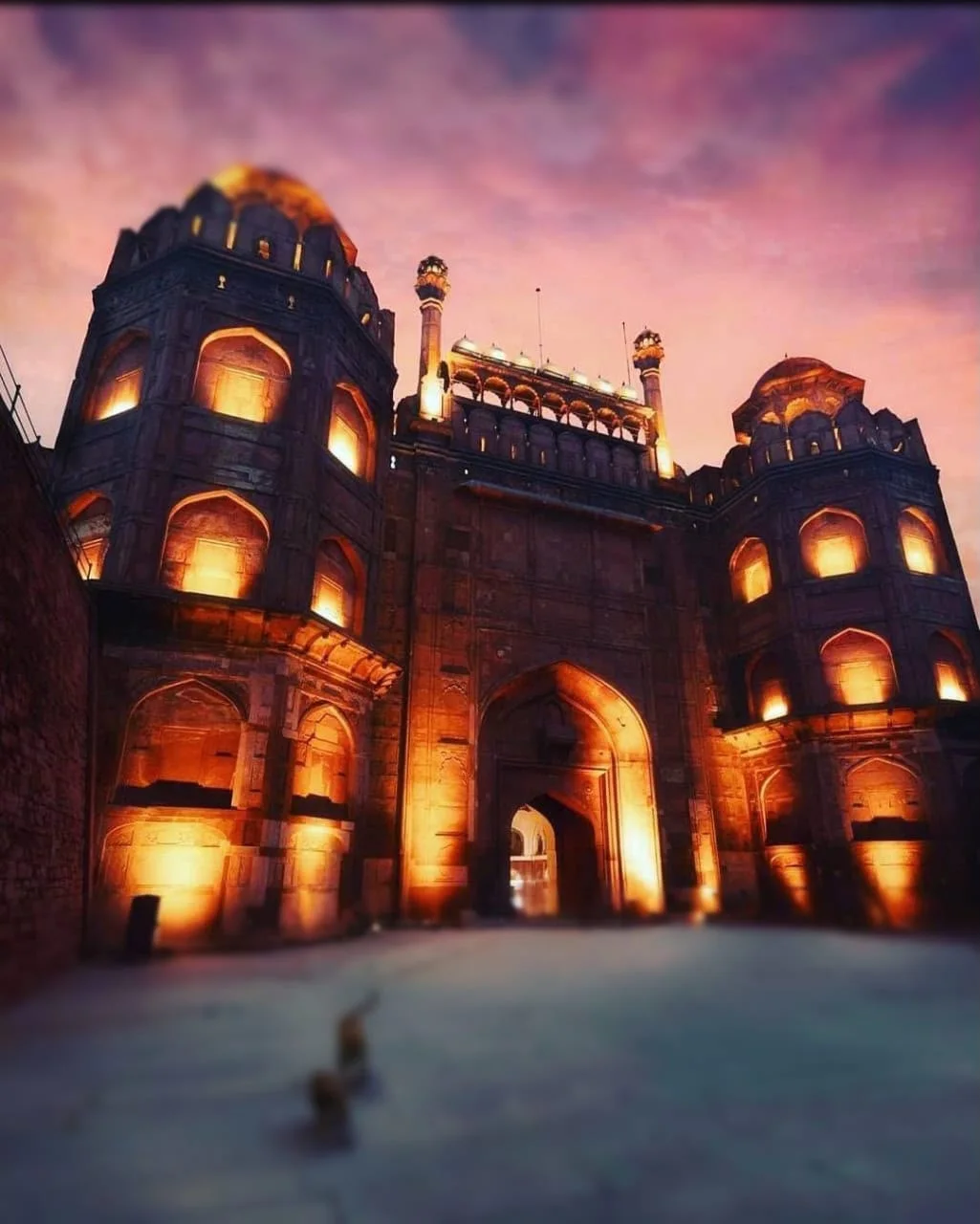
A fort shaped across generations
Agra Fort began as a major Mughal stronghold under Akbar in the sixteenth century and was adapted by later rulers. The result is not one uniform building but a walled complex where military planning, court life and changing tastes appear together. Its history helps explain Agra’s importance beyond the Taj Mahal.
Notice how the spaces change
Inside, look at the contrast between broad defensive walls, open courtyards and more finely decorated palace spaces. The route takes you through changing materials and scales: red sandstone gives way to marble details in some areas. A guide can explain how different rooms were used and which features belong to later periods.
Look for the river-facing details
Some of the fort’s most memorable views face the Yamuna and the Taj Mahal. Musamman Burj is associated with Shah Jahan’s final years, though visitor access may vary. Pause at the open viewpoints and notice how the river connects the fort to the city’s wider Mughal landscape.
Plan a comfortable visit
Wear comfortable shoes and allow time for walking across uneven surfaces. Check current opening information and access rules before travelling, especially if your visit is part of a same-day itinerary. Pairing the fort with the Taj can make a coherent day, but leave enough time to experience both without hurrying.