Delhi, Agra & Jaipur Golden Triangle Tour

Connect Delhi’s historic neighbourhoods, Agra’s Mughal landmarks and Jaipur’s forts and palaces on one North India journey. Compare 2–5 day routes, then request a quote shaped around your dates and pace.

  • Delhi → Agra → Jaipur is the familiar route.
  • Sample durations: 2, 3, 4, 5 or more days.
  • Services, availability and price are confirmed in a written quote.
  • The Taj Mahal is closed on Fridays.

Trip overview

Delhi → Agra → Jaipur is a planning outline, not a fixed package. Start and finish points, pace and confirmed services depend on your dates and written quote.
Sample durations
3, 4, 5 or 6+ days
Pricing
Request a written quotation

Delhi, Agra and Jaipur

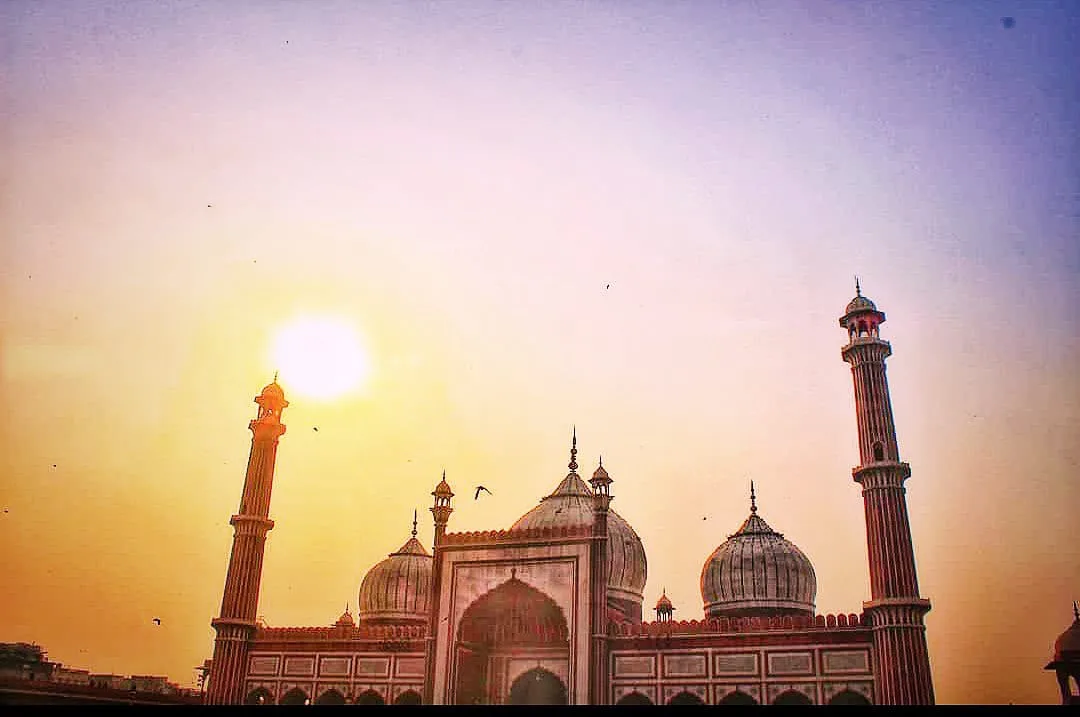
Jama Masjid at sunset in Old Delhi
Delhi
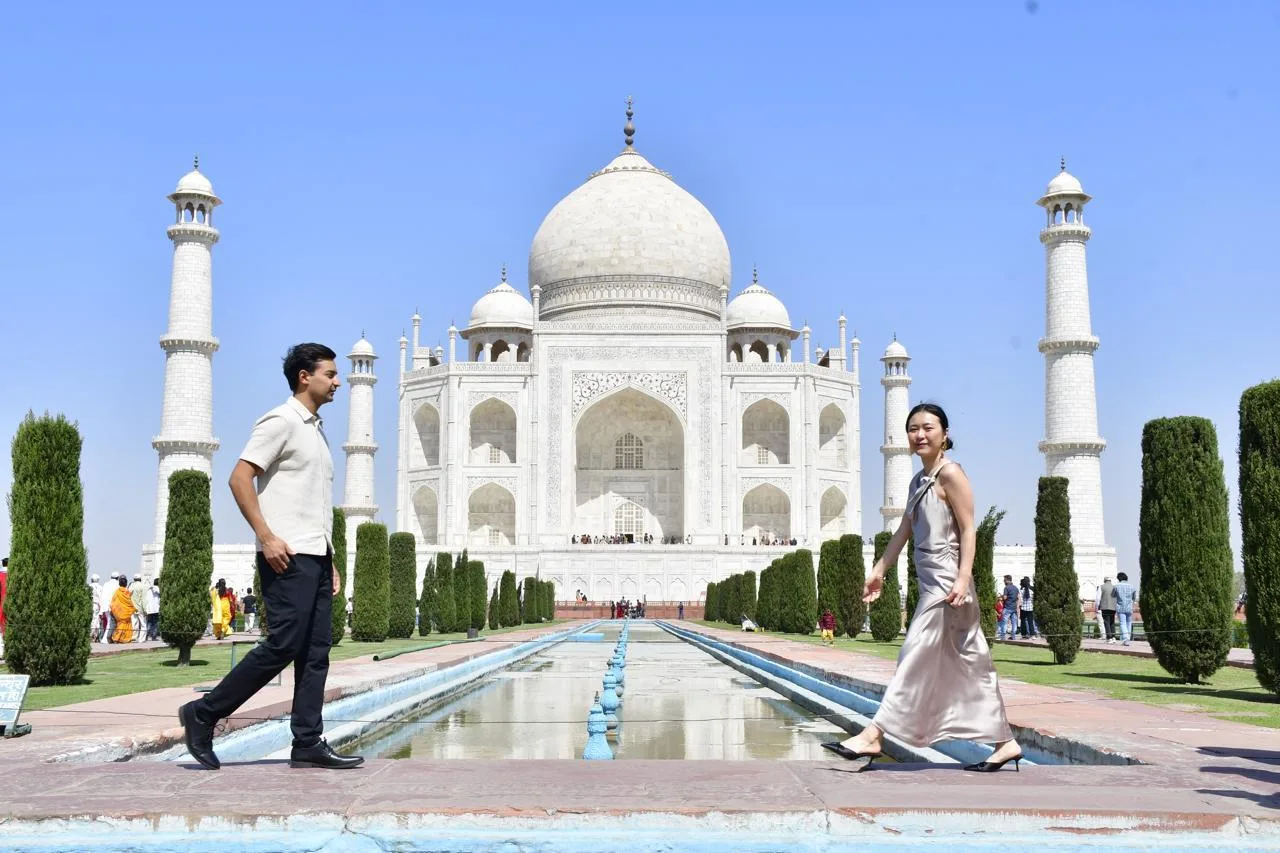
Visitors approach the Taj Mahal across its garden courtyard
Agra
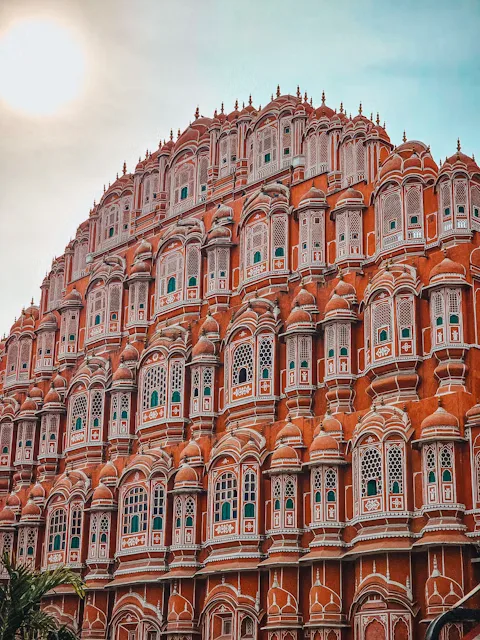
Hawa Mahal’s pink sandstone facade in Jaipur
Jaipur

What is the Golden Triangle of India?

On a map, Delhi, Agra and Jaipur form an approximate triangle in North India. The name describes a route between three cities, not one fixed tour product. Delhi brings historic neighbourhoods, Mughal and colonial-era landmarks, food and the pace of a modern capital; Agra is known for the Taj Mahal, Agra Fort and Mughal architecture; Jaipur adds Amber Fort, City Palace, Hawa Mahal and Rajasthani culture.

The contrast is what makes the route appealing to first-time visitors. It is still a multi-city trip: traffic, intercity transfers, hotel changes and time inside large monuments all use part of the day. Decide where you will sleep and how you will leave the final city before adding extra stops.

  • Delhi: Old Delhi’s lanes and markets sit alongside New Delhi’s avenues, museums and historic monuments.
  • Agra: The Taj Mahal and Agra Fort give context to the city’s Mughal history; local crafts are an optional interest.
  • Jaipur: Hilltop Amber Fort, palace architecture, the walled city and colourful markets bring a distinct Rajasthani chapter.

Why Travel With India Journey Planner?

Start with a listed route or share the dates, starting point and pace you have in mind. The current tour pages help you compare real options; a custom request can be discussed when you need a different number of days or a different balance of sightseeing and rest.

There is no need to decide every monument before you enquire. Ask for the route, transport, guiding, accommodation and other services to be stated clearly in the quotation so you can compare the arrangements, not just the number of days.

  • A route shaped around your dates: Share your arrival and departure points, interests, preferred pace and the number of days you have. You can ask about a tailored route rather than treating a sample itinerary as fixed.
  • Current tours to compare: Review the existing tour details for their route and enquiry process. Transport, guides, hotel nights, tickets and meals should be confirmed for the option you choose.
  • A written plan before you decide: Ask for pickup points, drop-off, overnight locations and each included service to be recorded in the accepted quotation.

Travel With Confidence

Travel conditions vary by date and city. Before you confirm, check the planned stops, pickup and drop-off addresses, overnight locations, transport arrangements and contact details in writing. Ask who to contact during the journey and how a change to the plan would be handled; do not assume after-hours or emergency support unless it is explicitly confirmed.

For an airport or railway arrival, share the flight or train details and agree on a meeting point and reachable contact number before travel. A pickup, vehicle, driver, guide or station transfer is part of your plan only when it is stated in the accepted quotation.

  • Before departure: Keep the written itinerary, confirmed pickup point and agreed contact information accessible. Leave a buffer between a road transfer and any separate train or flight.
  • For international arrivals: If you may not have mobile data on arrival, agree in advance how you will identify the pickup contact and what to do if plans change.
  • At busy sites and markets: Follow local site instructions, keep valuables secure and agree any shopping or extra stops before they are added to the route.
  • Road or rail: Road transfers are common between the cities. A train leg can be requested, but its service, class, station access and local transfers need separate confirmation.

Delhi: layers of history in a working capital

Delhi is both a major arrival point and a city worth seeing in its own right. Old Delhi’s streets, bazaars and food traditions feel different from New Delhi’s broad avenues and garden monuments. The route can include Mughal and colonial-era landmarks as well as the everyday life of a modern capital.

For a first visit, choose a few nearby priorities rather than trying to cross the city for every landmark in one day. Traffic, opening arrangements and your arrival time affect what fits.

  • Old Delhi: Red Fort, Jama Masjid and the Chandni Chowk area are useful reference points; confirm access and the agreed stops for your date.
  • New Delhi: India Gate, Humayun’s Tomb and Qutub Minar show different periods and parts of the city; allow for the distance between them.
  • Markets and food: Markets and local food can add a more everyday perspective. Tell the planner which interests you and confirm any stop in the route.

Agra: the Taj Mahal and Mughal history

The Taj Mahal is the best-known stop, while Agra Fort adds the context of an imperial city with palaces, courtyards and fortified walls. If time allows, a garden or smaller tomb can add another architectural perspective; each extra visit needs its own travel and entry time.

The Taj Mahal is closed to visitors on Fridays. Check the date and current entry arrangements before setting the route. An early visit may help you avoid the hottest part of the day in warmer months, but the best sequence depends on the season, access and your confirmed schedule. Local crafts can be requested as an interest; no particular shop or purchase is assumed.

  • Keep the Agra plan focused: For a first visit, begin with the Taj Mahal and Agra Fort, then add another stop only if the available time and agreed route allow.
  • Check the day before you travel: Confirm the Taj Mahal’s Friday closure, current opening arrangements and ticket requirements for your visit date.

Jaipur: forts, palaces and Rajasthani culture

Jaipur’s historic centre, palace spaces and hilltop fort give the final city a different rhythm from Delhi and Agra. Amber Fort sits outside the central city; City Palace, Hawa Mahal and Jantar Mantar are among the better-known central landmarks. Markets and craft traditions offer a closer look at daily life and regional culture.

Allow a distinct block for Amber Fort and walking time at larger sites. For a first visit, select a few landmarks and leave space for a meal or market rather than treating each stop as a short photo break.

  • Amber Fort: Set aside time for the hilltop complex and its slopes and steps; check current access and any mobility needs before confirming.
  • City Palace, Hawa Mahal and Jantar Mantar: Choose the central landmarks that matter most to you and confirm which are included in the sightseeing plan.
  • Markets and local culture: Ask for market or craft time if it interests you. A specific shop, demonstration or purchase is not promised.

Who is this Golden Triangle route for?

The route suits travellers who want to compare several sides of North India in one trip. The day count and stop list matter more than the label: a family, photographer or first-time visitor may all prefer a different pace.

  • First-time visitors: The three cities give a broad introduction, but leave time for transfers and choose a manageable number of sights.
  • Couples: Share the landmarks and pace that matter to both of you; quiet time and extra nights can be requested.
  • Families: Plan breaks, meal time and shorter site visits for children. Confirm vehicle capacity and any child-specific arrangements.
  • Seniors: Consider a longer itinerary and ask about walking, steps and mobility at each site before confirming.
  • Small groups: Share the full group size so the planner can confirm suitable transport and room arrangements.
  • Solo travellers: Agree pickup points, contact details and the day’s plan in writing, and share your itinerary with someone you trust.
  • Photographers: Allow time for light and changing conditions, and check each monument’s current photography rules.
  • Cultural travellers: Request guide language and interests in advance; guide availability and arrangements need confirmation.
  • Short India holidays: A three-day route is possible as a compressed outline, but not every city or landmark can receive a full visit.
  • International travellers: Share arrival and departure details and confirm local pickup arrangements. Check current visa guidance through official government sources.

What’s included—and what is not assumed

There is no single inclusion list for every Golden Triangle route. Some current multi-day tours are quotation-based, and each option may have different arrangements. Read the selected tour details and ask for the accepted written quotation to list the services you are buying.

  • What’s included: Only the services named in the specific tour details and accepted quotation. The landing page does not promise a standard package.
  • What’s not included unless listed: Do not assume a private vehicle or driver, guide, accommodation, monument tickets, meals, airport or railway transfers, or other extras are included. Ask for each item to be confirmed.

Golden Triangle Travel Tips

A few practical decisions make the route easier to enjoy. Keep the intercity plan realistic, check the current rules for each monument and leave some space for the day to change.

  • Start with the site calendar: Check current opening arrangements before fixing the route; the Taj Mahal is closed on Fridays.
  • Begin major outdoor visits early when practical: An early start can help with warmer weather and busy sites, but confirm the actual pickup and entry plan.
  • Wear comfortable shoes: Large complexes involve walking, steps or uneven surfaces. Choose footwear that works for a long visit.
  • Check ticket and photography rules: Use the current official monument guidance for entry, camera restrictions and any equipment you plan to bring.
  • Dress for the place and season: Pack layers for changing conditions and choose respectful clothing for religious spaces; follow local signs and guidance.
  • Keep valuables secure: Carry only what you need at busy sites and markets, and keep travel documents and payment cards secure.
  • Leave buffers between cities: Road and station transfers vary. Avoid tight same-day flight or train connections after a long drive.
  • Plan rest, not just stops: A meal, shade and downtime help make a multi-city itinerary more comfortable, especially with children or older travellers.
  • Agree market visits in advance: If crafts or shopping interest you, request time for them. No particular shop or purchase is assumed.

Best Time to Visit Delhi, Agra and Jaipur

There is no single best month for every traveller. Consider heat, rain, visibility and the amount of outdoor sightseeing you want, then check forecasts and site updates close to your dates.

  • October–March: Often preferred for longer outdoor sightseeing than the hotter months. Winter mornings can be cool and haze may affect visibility, so check current conditions and keep some flexibility.
  • April–June: Generally the hottest part of the year across much of the route. Consider early outdoor visits, shade, water and shorter blocks, and check the forecast before travel.
  • July–September: This period generally overlaps with monsoon weather. Showers and road conditions vary by day and city; allow transfer buffers and keep outdoor plans flexible.

How we plan your Golden Triangle

Your enquiry starts a conversation. The final itinerary and services are confirmed in writing before you decide.

  1. 01 · Tell us about your trip

    Share dates, group size, available days, pickup point, accommodation and vehicle preferences, guide language and practical needs.

  2. 02 · Discuss your requirements

    The enquiry is reviewed and details that affect the route can be clarified.

  3. 03 · Shape the itinerary

    Discuss sightseeing and transfer time around your interests, pace and available days.

  4. 04 · Choose a comfort level

    Request accommodation, vehicle and guide preferences; specific options depend on availability.

  5. 05 · Review your written quote

    Check the agreed route, included services, pickup details and price before deciding.

  6. 06 · Confirm using the agreed process

    Booking and payment steps are shared with the quotation; terms are not assumed on this page.

Golden Triangle Itinerary: examples for 2–6+ days

These are sample sequences, not promises of exact sightseeing times. The two-day route is very fast-paced: it prioritizes Agra and the transfer to Jaipur, without promising a full sightseeing day in every city. Three days is compressed; four and five days allow more selected city time. Actual stops depend on arrival, opening arrangements, traffic, mobility and services confirmed in your quote.

  • 2 days — Day 1 — Delhi to Agra: Travel from the agreed Delhi pickup point and prioritize the Taj Mahal and Agra Fort as opening hours and the confirmed schedule allow. An Agra overnight is included only if listed in the accepted quote.
  • 2 days — Day 2 — Agra to Jaipur: Protect time for the road journey to Jaipur. One Jaipur landmark is optional only if arrival time and onward plans leave enough room; this is not a full Jaipur sightseeing day.
  • 3 days — Day 1 — Delhi: Use arrival day for rest or a small number of agreed Delhi sights. The right plan depends on when and where you arrive.
  • 3 days — Day 2 — Delhi to Agra: Travel to Agra and visit the Taj Mahal and, if the schedule and entry arrangements allow, Agra Fort. Confirm the overnight location.
  • 3 days — Day 3 — Agra to Jaipur: Protect time for the road transfer. Add a Jaipur landmark only if arrival time and onward plans leave enough room; this is a very brisk overview.
  • 4 days — Day 1 — Delhi: Arrive and settle, or choose a focused New Delhi orientation if your arrival time allows.
  • 4 days — Day 2 — Old Delhi to Agra: Choose an agreed Old Delhi visit, then continue to Agra. A longer city visit may require changing the onward departure.
  • 4 days — Day 3 — Agra to Jaipur: Plan the Taj Mahal and Agra Fort around the transfer to Jaipur; confirm which stops fit rather than relying on a rushed schedule.
  • 4 days — Day 4 — Jaipur: Give Amber Fort its own block, then select one central landmark or market area according to time and mobility.
  • 5 days — Day 1 — Arrive in Delhi: Keep the first day light after a long flight or train journey; add a nearby stop only if practical.
  • 5 days — Day 2 — Delhi: Choose a cluster of New Delhi landmarks or an Old Delhi visit, depending on your interests and the route.
  • 5 days — Day 3 — Delhi to Agra: Continue to Agra after the agreed Delhi visit. Confirm the transfer, overnight and sightseeing sequence in the quote.
  • 5 days — Day 4 — Agra to Jaipur: Visit the Taj Mahal and Agra Fort as the schedule allows, then travel to Jaipur with a buffer for the road journey.
  • 5 days — Day 5 — Jaipur: Choose Amber Fort and selected City Palace, Hawa Mahal, Jantar Mantar or market time; the exact combination depends on access and pace.
  • 6+ days — Day 1 — Arrive in Delhi: Allow time to settle in before sightseeing, especially when arriving after an overnight journey.
  • 6+ days — Day 2 — Old Delhi: Explore an agreed Old Delhi area and leave room for food, breaks and the city’s busy streets.
  • 6+ days — Day 3 — New Delhi: Choose a smaller group of New Delhi monuments and gardens instead of trying to cover every landmark.
  • 6+ days — Day 4 — Agra: Give the Taj Mahal and Agra Fort separate time, with any additional site confirmed around opening arrangements.
  • 6+ days — Day 5 — Jaipur transfer: Travel to Jaipur and keep the arrival plan flexible; do not rely on a full sightseeing day after the transfer.
  • 6+ days — Day 6 — Jaipur: Visit Amber Fort and selected city landmarks at a measured pace. An extra night can be used for rest, markets or an onward extension if confirmed.

Build your Golden Triangle

Set preferences for 3, 4, 5 or 6+ days; Comfort, Premium or Luxury accommodation; private car or another vehicle option; guide and language; and your starting point. These are requests, not an availability check or fixed quote. Confirm services and prices in writing.

Travel note

The Taj Mahal is closed to visitors on Fridays. Please confirm your visit date before travelling.

Make Your Golden Triangle Tour Your Own

You can request a different number of days, preferred hotel category or extra nights, a private vehicle, guide language, added destinations, a slower sightseeing pace, or airport and railway pickup. Share mobility, family, food or other special requirements as early as you can.

Requests are not confirmed until the route, availability, price and services appear in the written quotation. Use the enquiry form to share what matters; you do not need to have every detail decided first.

Popular Golden Triangle and India tours

Delhi Agra Jaipur Golden Triangle Tour

A brisk three-day Delhi–Agra–Jaipur circuit for travelers prioritizing the region’s best-known heritage over long stays in any one city.

Golden Triangle · 3 Days

Same Day Agra Tour from Delhi by Train

Travel from Delhi to Agra by train for a same-day visit centered on the Taj Mahal, then return to Delhi on the service confirmed for your date.

Agra · 1 Day

Delhi Full Day Private Tour

See Old Delhi’s historic lanes and selected New Delhi landmarks on an approximately eight-hour private sightseeing day with a car, driver and professional guide.

Delhi · 1 Day

Frequently asked questions

What is the Golden Triangle of India?

It is a popular North India route connecting Delhi, Agra and Jaipur, named for the approximate triangle the cities form on a map. It is a route idea, not one fixed package.

How many days do I need for a Golden Triangle tour?

Two days is a very fast route that prioritizes Agra and the transfer to Jaipur, without promising full sightseeing in every city. Three days is compressed; four or five days allows more selected city time. Your arrival time and interests affect what fits.

Is the Golden Triangle suitable for first-time visitors to India?

It can be a useful introduction because the cities offer different architecture, history and daily life. Choose a realistic number of days and do not try to cover every landmark on the first visit.

Which cities are included in the Golden Triangle?

The usual route is Delhi, Agra and Jaipur. Your start and finish may change to fit flights or onward travel, but confirm the sequence and transfers in the itinerary.

What is the best time to visit Delhi, Agra and Jaipur?

October to March is often chosen for longer outdoor sightseeing; April to June is generally hotter, and July to September overlaps with monsoon weather. Conditions vary, so check forecasts and site updates for your dates.

Can I customize my Golden Triangle itinerary?

You can request a different duration, pace, hotel category, guide language, additional destinations or pickup point. Availability and final arrangements are confirmed in the written quotation.

Can I book a private car and driver?

You can ask for a private vehicle and driver. The vehicle, route, pickup, drop-off and any services included should be stated in the quotation for your chosen itinerary.

Can I have a professional guide?

You can request a guide and preferred language. Ask the planner to confirm guide availability, language and qualifications for the specific cities and dates.

Can I add accommodation to my Golden Triangle tour?

You can request a hotel category and preferred number of nights. Accommodation is included only when the accepted quotation lists it.

Can I start the Golden Triangle tour from Delhi airport?

You can request an airport pickup. Share the arrival details and meeting point, then confirm the pickup and any transfer charges in the written plan.

Can I choose a different number of days?

Yes. The itinerary examples are planning references, not fixed products. Share your available days and the places you most want to see.

Is the Golden Triangle suitable for families and seniors?

It can be planned for different groups, but walking distances, steps, heat and long transfers matter. Request more breaks or extra days and confirm accessibility for the specific sites.

What is included in the tour price?

There is no single inclusion list for every route. Check the chosen tour and ask for vehicle, driver, guide, hotel, tickets, meals and transfers to be itemized in the accepted quotation.

Can I travel between the cities by train?

A train segment can be requested. Confirm the service and class, station transfers, luggage arrangements and how it fits the sightseeing plan; do not assume it is part of a road-based tour.

Is the Taj Mahal open every day?

The Taj Mahal is closed to visitors on Fridays. Check the current entry arrangements and your exact visit date before confirming the Agra schedule.

What should international travellers share before requesting a quote?

Share your dates, group size, arrival and departure points, hotel area, preferred pace and any guide-language or mobility needs. Confirm how to reach the pickup contact; do not send passport or payment details through the enquiry form.

Plan your Golden Triangle trip

Share your dates, group size and preferred pace to request a written quotation. Availability, price and included services need confirmation.

Get a free quote